

Get started
Get your API key
Generate a free key from the Dashboard.
API reference
Explore all API endpoints.
Use Zerion API with agents
The Zerion CLI is the fastest way for agents to query onchain data. Any assistant that can run shell commands can read wallets, tokens, and positions without writing API integration code. One-shot setup - installs the CLI globally, configures your API key, and adds skills across all detected coding agents:--browser opens dashboard.zerion.io so you can grab an API key and paste it back. See Zerion CLI for manual install and authentication options.Build onchain apps
- Portfolio
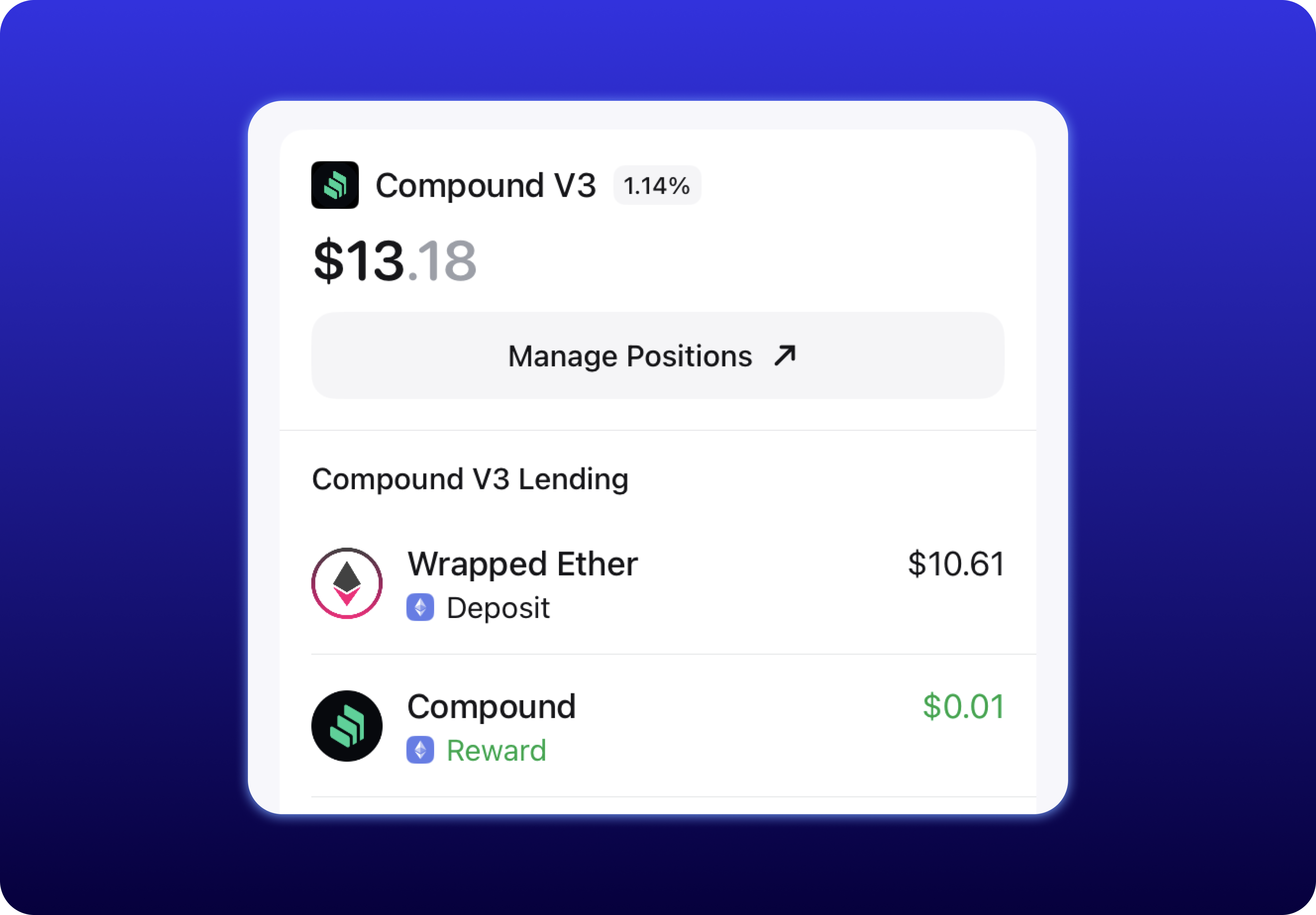
- DeFi positions
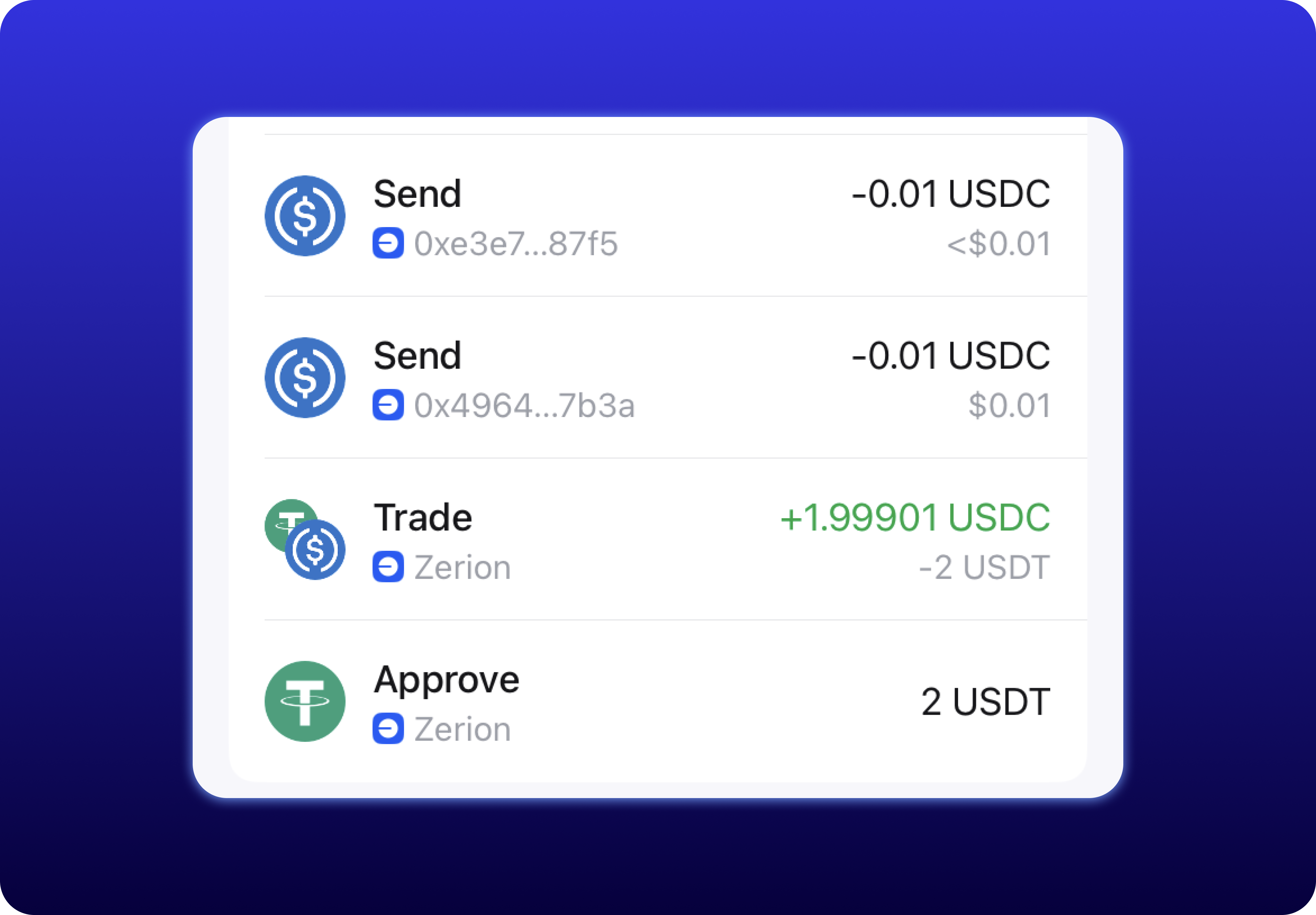
- Transaction history
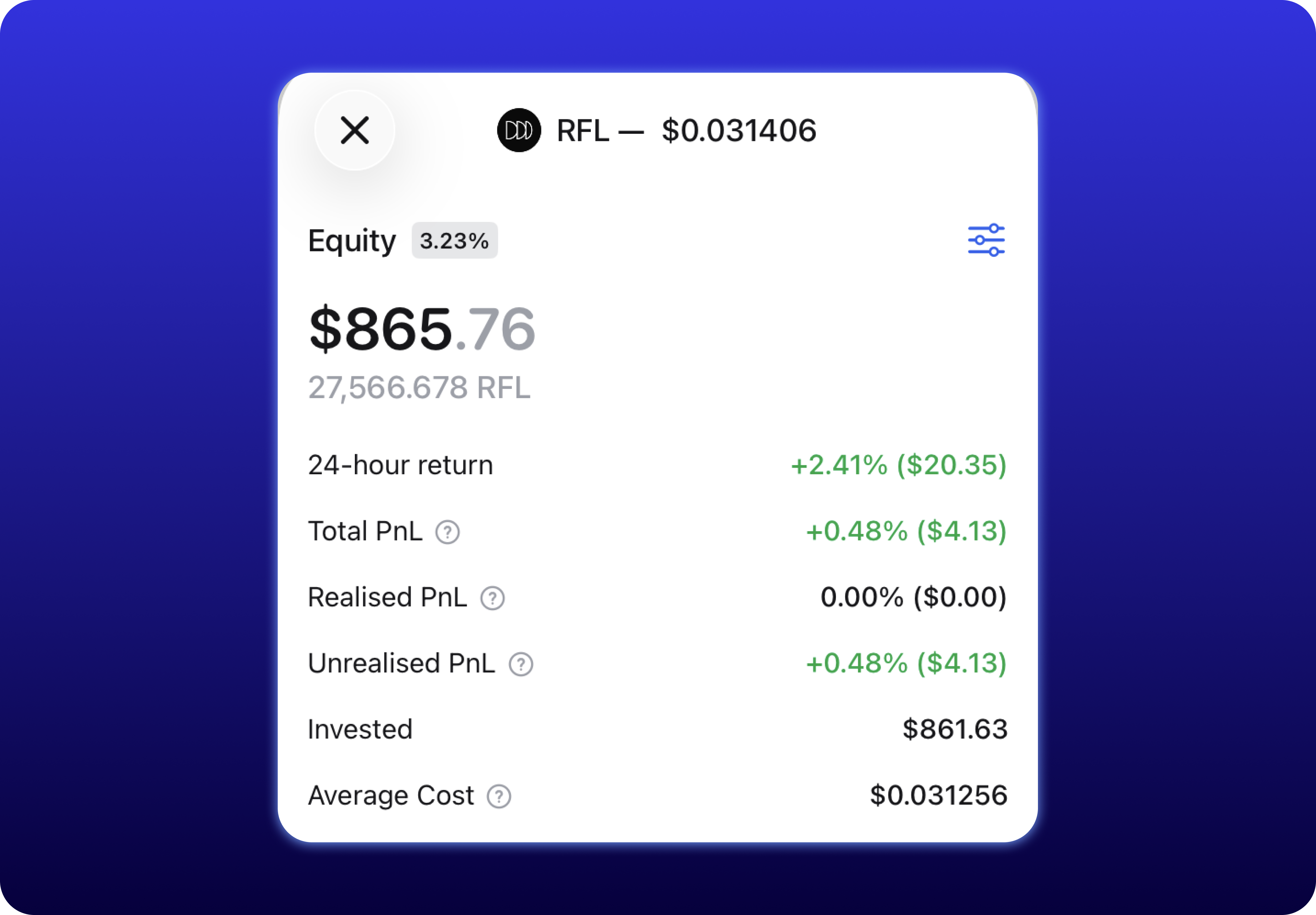
- PnL
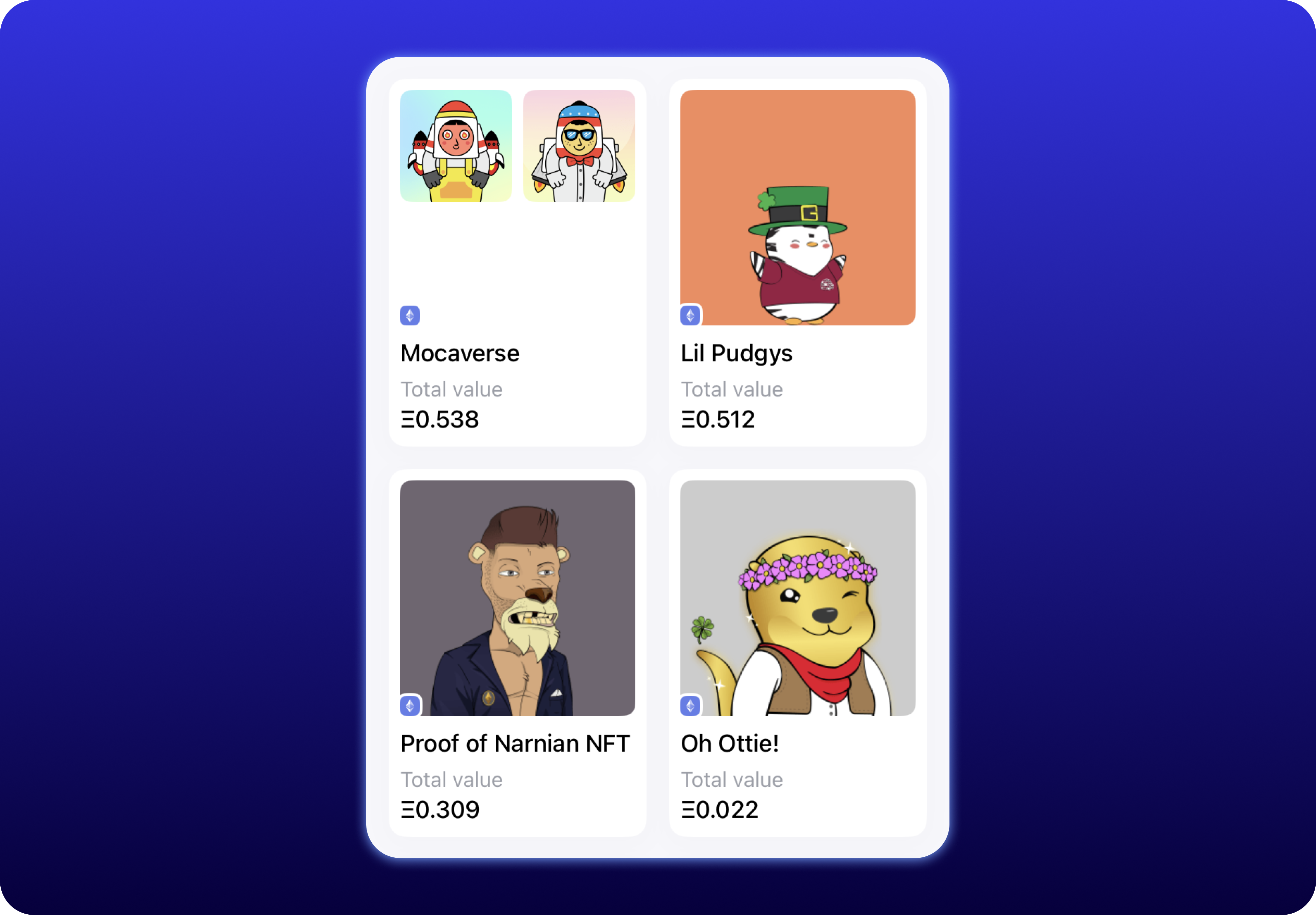
- NFTs
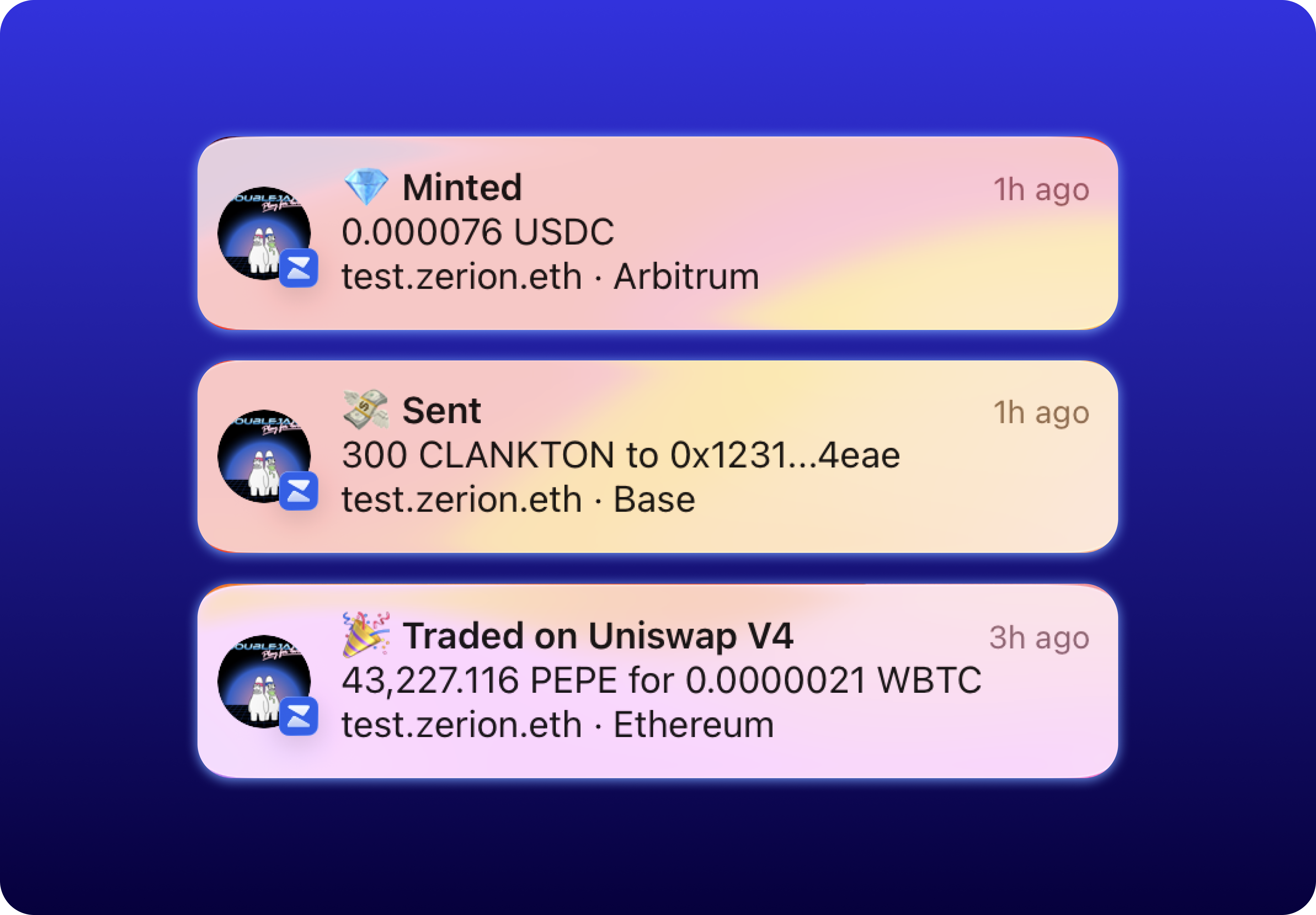
- Notifications
Fetch a wallet’s total portfolio value and break it down by individual token positions across all supported chains.
View recipe →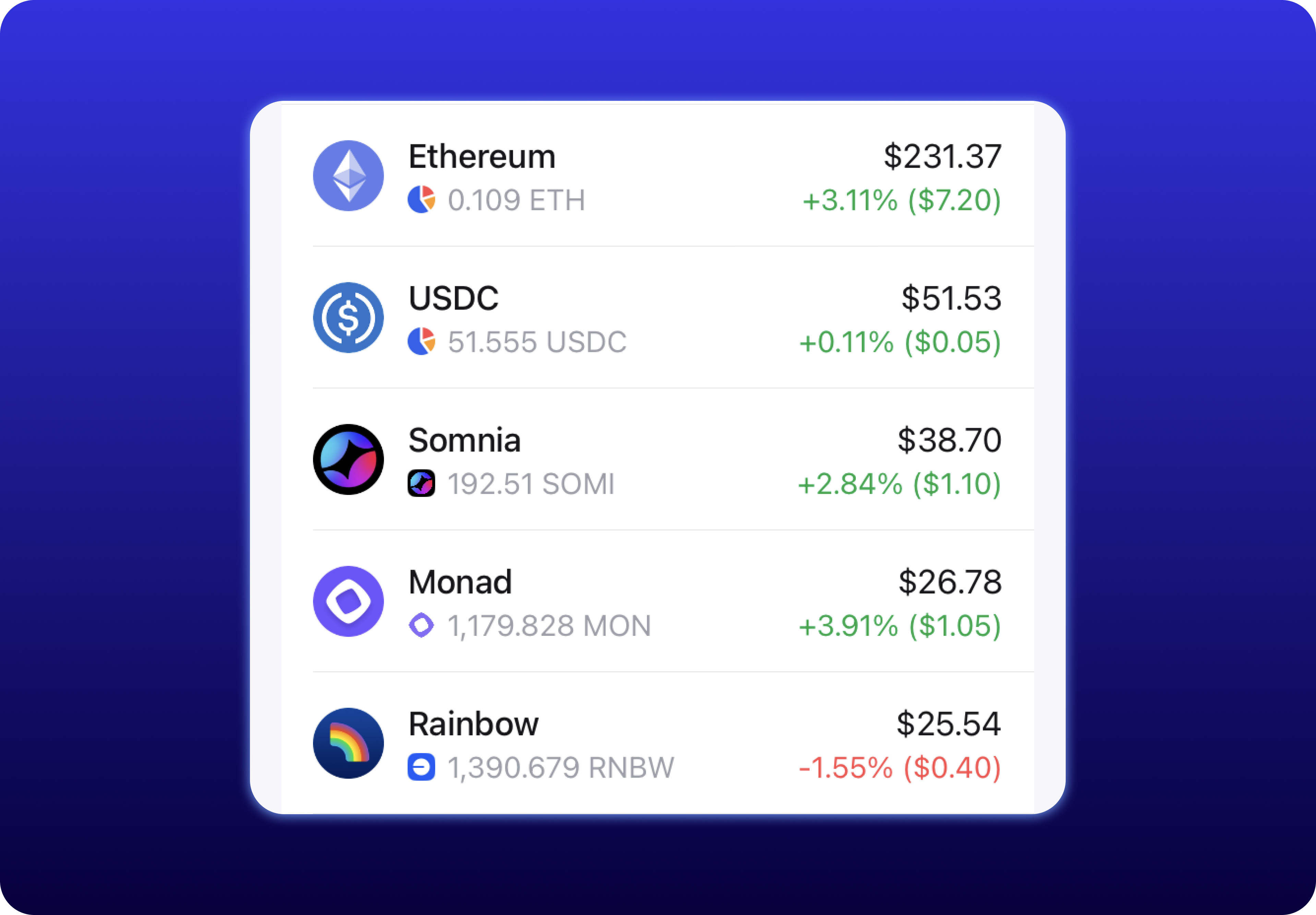
Why Zerion API
Zerion API provides endpoints for wallet data, token analytics, DeFi positions, and real-time webhooks across EVM chains and Solana. These endpoints abstract away multi-chain complexity and deliver clean, normalized data ready to power your application.
Always fresh
Data updates within milliseconds of new blocks. No stale reads, no polling delays.

Battle-tested
Powers the Zerion app used by millions. The same infrastructure backs your project.

Unified schema
Normalized responses across all chains. No per-chain parsing or custom logic needed.
Resources
Quickstart
Make your first request in under 5 minutes.
Supported blockchains
See every chain the API covers.
Recipes
Step-by-step guides for common use cases.
Changelogs
Latest updates and new features.